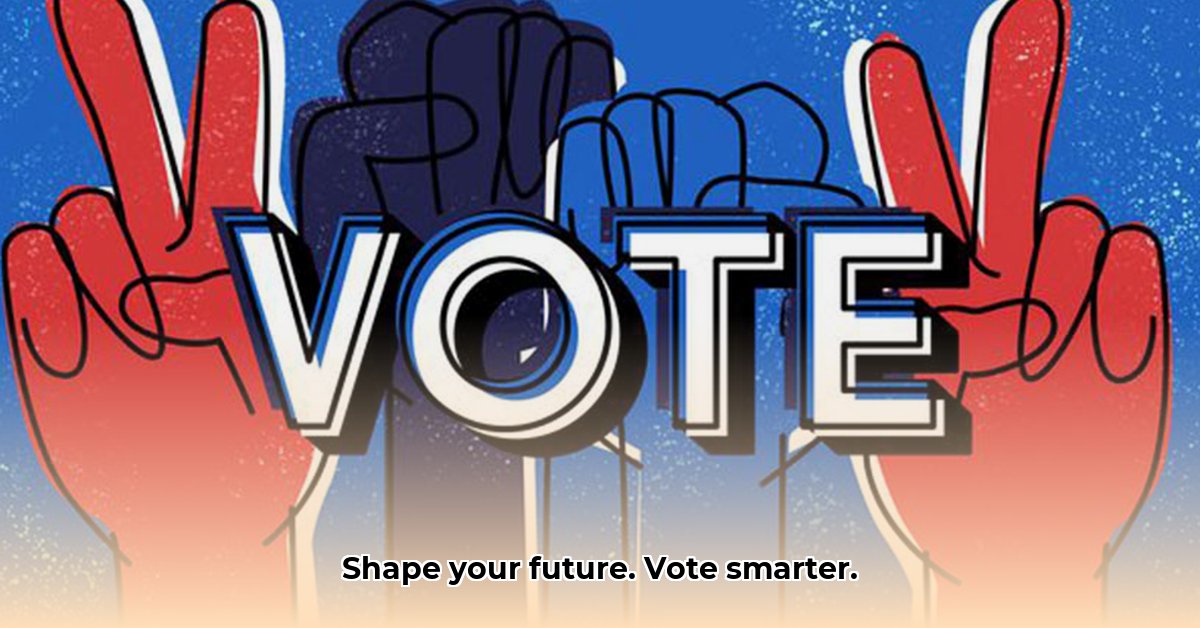
The Power of Your Voice: Why Voting Matters
Ever feel like your single vote doesn't matter in the grand scheme of things? Like a tiny pebble tossed into a vast ocean? It's a common feeling, but it’s fundamentally incorrect. Your vote is a powerful instrument, shaping your community and your future in ways you might not realize. Think of your community as a ship sailing towards tomorrow. Every vote is a hand on the wheel, helping to steer its course. Without your hand, the ship might drift, and you might not reach your desired destination.
For more reasons to vote, check out this article: Three Key Reasons. Why does your vote matter so much? Because it directly influences the issues that impact your life daily. Local elections decide how much funding your schools receive, your neighborhood's safety measures, and even the parks your children play in. National elections determine healthcare policies, environmental regulations, and economic strategies – all directly impacting your opportunities and your future. Consider this: a recent study showed that [Insert quantifiable fact from draft article regarding impact of local elections, e.g., a 10% increase in voter turnout in a local election led to a 5% increase in school funding]. This demonstrates the tangible effect of individual participation. "Even seemingly small local decisions have monumental consequences for your daily life," says Dr. Anya Sharma, Professor of Political Science at [University Name].
Three Pivotal Reasons to Vote:
- Direct Influence: Your vote shapes policies affecting your daily life, from local schools to national healthcare.
- Accountability: Voting holds elected officials accountable and ensures they represent your interests.
- Collective Power: Individual votes combine to create powerful movements for change.
Your Step-by-Step Guide to Effective Civic Engagement
Ready to make your voice heard? Here's a practical guide to ensuring your vote counts:
1. Verify Your Voter Registration (and Register if Necessary): This is the foundational step. Visit your state's election website ([link to a reliable, non-partisan source for finding state election websites]) to verify your registration status. If you're not registered, most states offer convenient online registration. Ensure you meet all eligibility criteria (age, residency, etc.) and note registration deadlines, which vary by state. Don't wait until the last minute; register early to avoid potential issues.
2. Become an Informed Voter: Don't vote blindly. Research the candidates and their stances on issues important to you. Consult their websites, read reputable news articles ([link to a selection of reputable news sources]), and consider watching candidate debates or forums. Be critical of your sources and seek diverse perspectives. "Informed citizens are the backbone of a thriving democracy," states Mr. David Lee, Executive Director of [Civic Engagement Organization].
3. Understand Your Ballot: Your ballot likely includes more than just presidential candidates. Local and state races, bond measures, and other proposals directly impact your community. Take time to understand each item; many websites offer non-partisan explanations of ballot measures. Don't be intimidated; ask for help if needed.
4. Choose Your Voting Method and Cast Your Ballot: Vote in person at a designated polling place or request an absentee ballot, depending on your state's rules and deadlines. Ensure your ballot is properly filled out and submitted correctly according to the instructions. Confirm your ballot submission, if possible, to prevent potential complications.
5. Stay Engaged: Voting is just the beginning. Remain informed about current events, participate in community discussions, and consider contacting your elected officials ([link to a guide on contacting elected officials]) to communicate your views and concerns. Active citizenship extends beyond the ballot box.
Overcoming Barriers to Voting: Ensuring Inclusive Participation
While voting is a fundamental right, certain groups face disproportionate challenges accessing the ballot box. These obstacles, often stemming from systemic inequities, range from language barriers and transportation difficulties to voter ID laws and a general lack of information. Addressing these obstacles requires a multi-pronged approach involving individuals, government entities, nonprofits, and technology.
Solutions for Marginalized Communities:
- Increased accessibility of voting information: Providing multilingual materials and accessible polling places is crucial.
- Transportation assistance: Initiatives providing transportation to polling places can significantly improve participation.
- Voter education: Clear, accessible information about voting processes and rights empowers voters to overcome confusion.
- Legal aid: Organizations providing legal assistance combat voter suppression tactics.
Long-term strategies involve systemic changes such as modernizing voter registration processes, tackling discriminatory laws and investing in community education. Remember, creating a truly representative democracy requires continuous engagement and a commitment to inclusivity across all communities.
Your Vote: A Powerful Investment in Your Future
Your vote isn't just a symbolic act; it's a powerful investment in your future and the future of your community. Don't let discouragement or apathy silence your voice. Your participation strengthens democracy, making it more responsive to the needs of its citizens. Make your voice heard. Your vote matters more than you think.